Introduction
Maintaining your roof is a crucial aspect of homeownership that often gets overlooked. A well-maintained roof not only enhances the aesthetic appeal of your home but also plays a significant role in its overall value and safety. In this comprehensive article, we will explore Gravity Roofing’s Tips for DIY Roof Maintenance Between Professional Inspections. Whether you’re engaging in routine upkeep or preparing for seasonal changes, these tips will empower you to take charge of your roof’s health.
Understanding the Importance of Roof Maintenance
Why Regular Roof Maintenance is Essential
Regular roof maintenance is akin to regular check-ups for your health—essential for longevity and functionality. Neglecting your roof can lead to costly repairs down the line, as small issues can escalate quickly into major problems.
Prevent Structural Damage: Water leaks can compromise the integrity of your home. Enhance Energy Efficiency: A well-maintained roof helps to regulate indoor temperatures. Increase Property Value: A new or well-kept roof is attractive to potential buyers. Avoid Costly Repairs: Prevention is always cheaper than a cure.When to Schedule Professional Inspections
Even with diligent DIY maintenance, professional inspections should not be neglected. Ideally, schedule an inspection twice a year—once in spring and once in fall—to ensure everything is in optimal condition.
Gravity Roofing’s Tips for DIY Roof Maintenance Between Professional Inspections
1. Inspect Your Roof Regularly
How Often Should You Inspect Your Roof?
At minimum, perform visual inspections every three months. However, after severe weather events, it’s wise to conduct more thorough checks.
- Use binoculars for a closer look at hard-to-reach areas. Look for missing shingles or tiles. Check for sagging or uneven surfaces.
2. Clean Gutters and Downspouts
Why Are Clean Gutters Important?
Clogged gutters can lead to water accumulation on the roof, causing leaks and structural damage.
- Scoop out debris regularly. Flush with water to ensure proper drainage. Consider installing gutter guards to minimize future buildup.
3. Trim Overhanging Branches
What are the Risks of Overhanging Branches?
Branches can scrape against your roofing materials during storms, leading to wear and tear.
- Use sharp shears or saws to trim branches back at least 6 feet from the roof surface. This simple action can prevent significant damage during stormy weather.
4. Check for Moss and Algae Growth
How Does Moss Affect Your Roof?
Moss retains moisture against the roofing surface, leading to rot over time.
- Look out for dark patches, especially in shaded areas. Use a moss killer solution specifically designed for roofs when necessary.
5. Inspect Flashing Around Chimneys and Vents
What Role Does Flashing Play?
Flashing serves as a barrier against water infiltration around protrusions like chimneys and vents.
- Look for cracks or rust—these are signs that sealing may be required. Reapply caulk if any gaps exist between flashing and roofing material.
Common Signs of Roof Damage
1. Water Stains on Ceilings
If you notice water stains forming on your ceilings or walls, it could indicate a leak https://jaidentjom700.iamarrows.com/frequently-asked-questions-about-roofing-services-answered-by-experts that needs immediate attention.
2. Granule Loss from Shingles
Inspect shingle surfaces; if you find granules collecting in gutters, it may signal aging shingles needing replacement.
3. Drafts or Temperature Fluctuations Indoors
Unusual drafts could point toward improper insulation due to damaged roofing materials affecting energy efficiency.
DIY Tools Needed for Basic Roof Maintenance
| Tool | Purpose | |---------------------|---------------------------------------| | Binoculars | For distant inspections | | Ladder | To safely reach higher areas | | Broom | For cleaning debris off the roof | | Caulk Gun | For resealing flashing gaps | | Pressure Washer | To clean debris from shingles |
FAQs
1. How can I tell if my roof needs repairs?
Look out for missing shingles, water stains inside your home, or visible sagging; all indicate potential issues that require attention.
2. Is DIY roof maintenance safe?
Yes, as long as you take proper precautions! Always use sturdy ladders and wear safety gear when working at heights.
3. How often should I clean my gutters?
Typically twice a year—once in spring and once in fall—but more frequent cleaning may be necessary based on tree coverage near your home.
4. Can I apply sealant myself?
Yes! Just ensure you follow manufacturer instructions carefully when applying sealant around flashing or other vulnerable areas on your roof.
5. What type of roofing material requires less maintenance?
Metal roofs typically require less upkeep compared to asphalt shingles due to their durability and resistance against elements like moss growth.
6. When should I call Gravity Roofing?
If you notice serious damage beyond minor repairs or need professional inspections, don’t hesitate! Gravity Roofing offers expertise tailored specifically for homeowners in Orlando FL!
Conclusion
Taking care of your roof isn’t just about aesthetics—it’s about protecting one of your most significant investments: your home! By leveraging Gravity Roofing’s Tips for DIY Roof Maintenance Between Professional Inspections, you’ll not only prolong the life of your roof but also enhance its appearance and value over time.
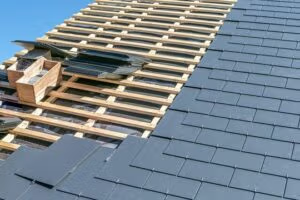
By implementing these straightforward strategies while keeping an eye out for signs of wear and tear, you'll feel confident knowing you're doing everything possible to maintain your home's integrity.
For those residing in Orlando FL seeking reliable assistance with both minor repairs and major renovations alike should consider hiring experts from Gravity Roofing. Their experience ensures high-quality workmanship tailored specifically towards local climate challenges!
Every homeowner deserves peace of mind regarding their roofing situation—so why not start today? After all, prevention is key!